
Events
AI in companies: practical insights from the AGA webinar
AI in companies: practical insights from the AGA webinar
In July 2025, decision-makers from across Germany met at the joint practice forum of the AGA business association to discuss one of the most important topics of our time: the integration of artificial intelligence (AI) into companies. Led by Niclas, Co-Founder of scoreprise.AI, participants received exclusive insights into AI use cases put into practice. In this blog post, we summarise the highlights, provide concrete recommendations for action and show how you can already achieve efficiency gains of up to 50% today with AI employees.
AGA webinar: using AI in the company - Watch Video
Why now is the ideal time for AI integration
We are at the beginning of the early adoption phase of AI in the German Mittelstand. While many companies are still occupied with outdated equipment decisions, you are already opening up new possibilities: AI employees, multi-agent systems and end-to-end automation. If you engage with AI today, you are not too late, you are at the forefront of developments, and you secure long-term competitive advantages.
From dialogue AI through prompts to fully automated AI employee integration
1. Dialogue-based AI and prompting
At the start there are chatbots such as ChatGPT that communicate with us through dialogue. This is already impressive, but inefficient if you have to enter the same context again and again. Prompting solves this by providing the most important information in advance through a detailed instruction ("prompt"). This gets you to a solution in a few steps, without lengthy back-and-forth exchanges.
2. Automation of simple processes
The next step: automation. A workflow defined once, for example the generation and posting of a LinkedIn post, runs fully automatically as soon as the initial trigger is given.
3. AI employees with autonomy
The decisive step, however, is the introduction of real AI employees that think and act independently. In our webinar example, "Carl" in the sales area researches leads, maintains the CRM and prepares initial calls, without human help. Carl operates CRM systems via API, searches Google Maps, evaluates websites and reviews and delivers high-quality lead qualification at a fraction of the usual cost.
Practice case 1: sales optimisation with "Carl"
According to HubSpot, a Sales Development Representative (SDR) spends only two hours a day on actual selling, while at least one hour disappears into manual routine tasks. This is exactly where "Carl" comes in:
Lead research: Carl searches Google Maps, company websites and social media.
Data enrichment: He imports qualified data into the CRM (for example Salesforce or HubSpot).
Preparation for initial calls: Carl produces individual briefings for each lead.
As a result, a parking management provider was able to speed up its lead qualification by 50% and at the same time drastically increase data quality, with only 500 leads per month.
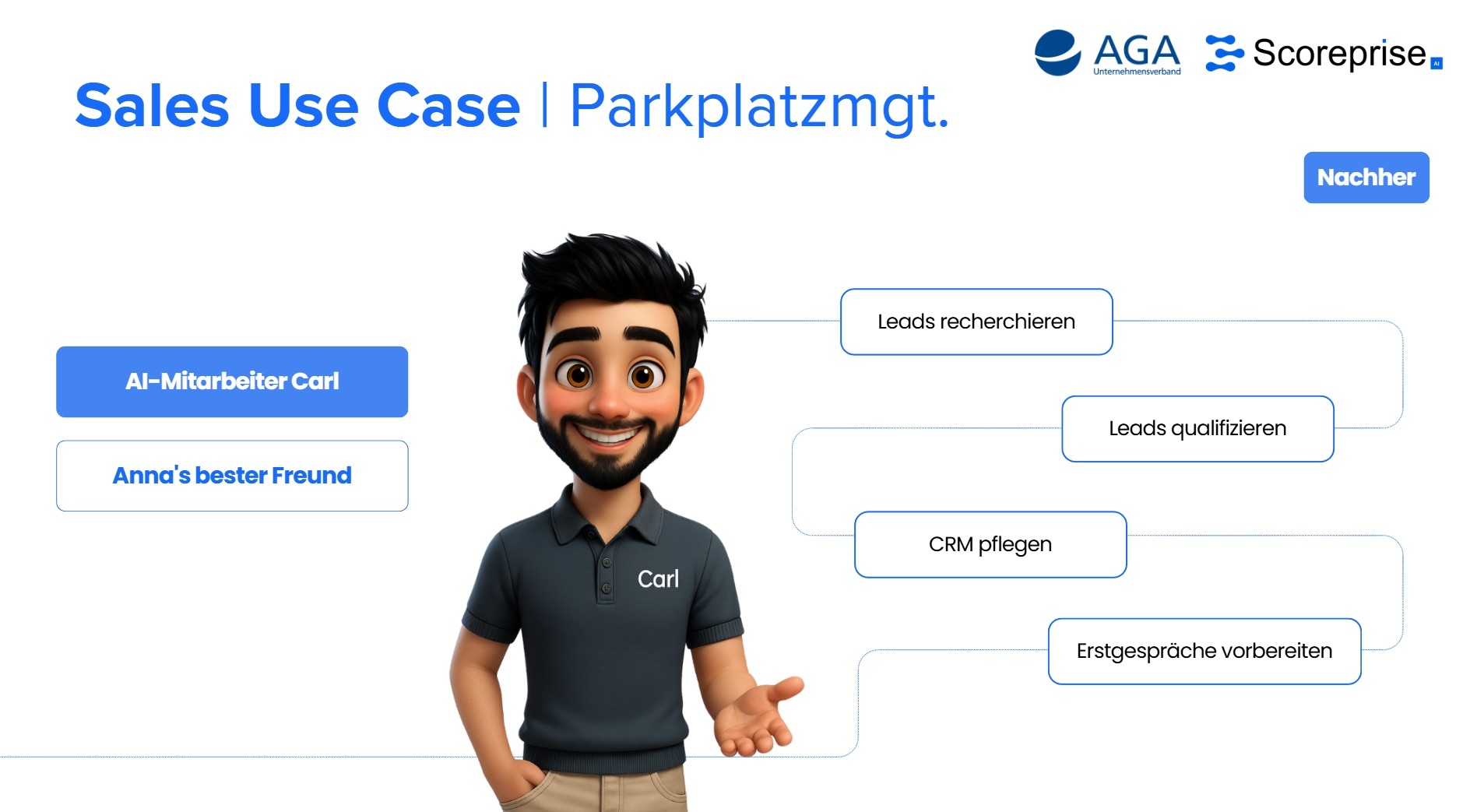
Figure 1: sales process supported efficiently with AI
Practice case 2: efficient quoting and invoicing with "Lea"
At an M&A consultancy, over 16 hours of manual work per week arise in quoting and invoicing, and at an hourly rate of €300 this is a substantial cost centre. Our AI employee "Lea" takes over:
Time recording via Microsoft Teams (keyword: human in the loop)
Automatic creation of Excel lists per customer
Generation and checking of invoices and quotes in Word and PDF
Dispatch of the documents by email
The result: savings of more than 16 hours per week, better scalability and no change to the familiar working environment.
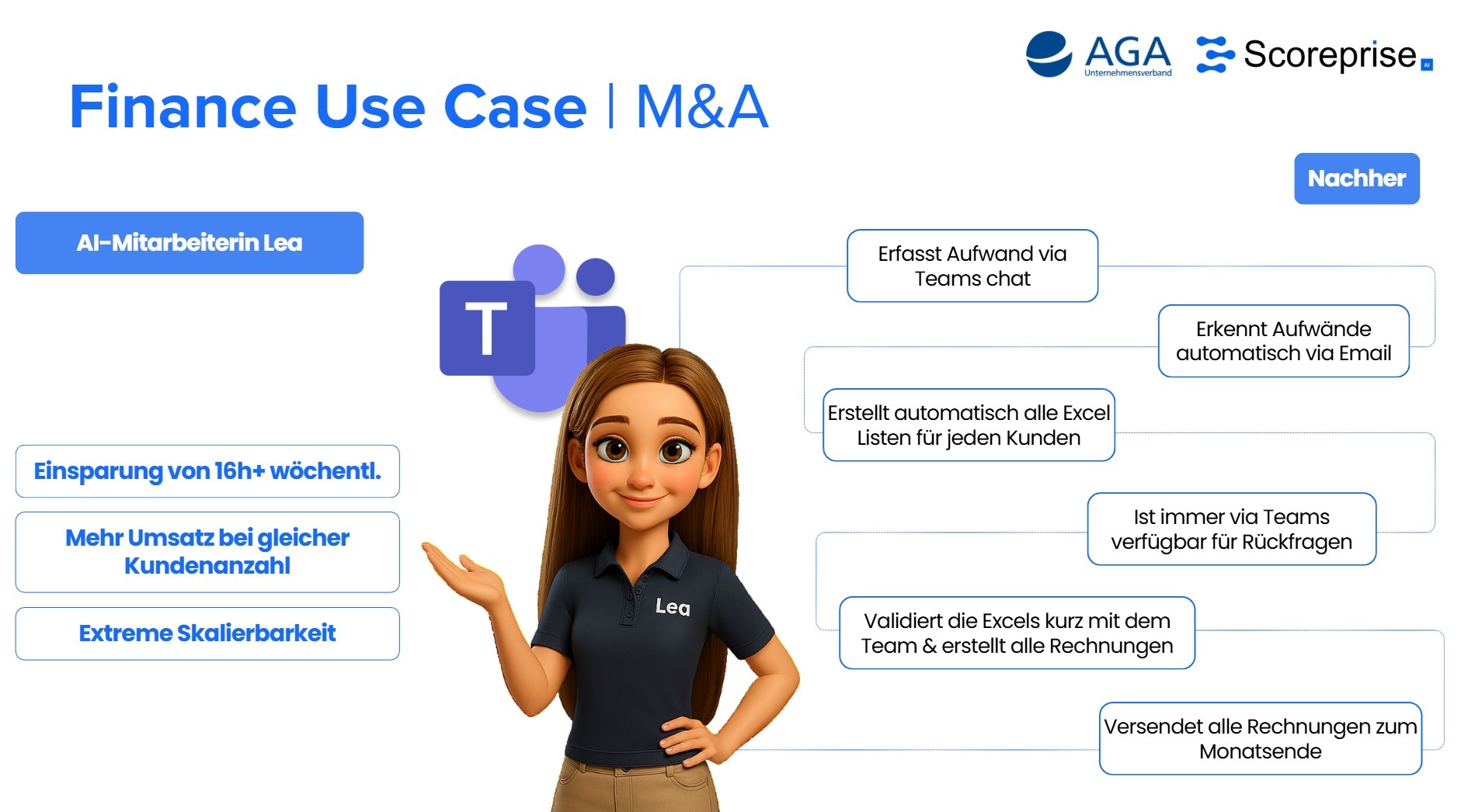
Figure 2: invoicing fully automated with the help of AI
Practice case 3: social media management with "Stefan"
AI employees create real value in marketing too. Our "Stefan":
Generates content ideas based on current property news
Creates graphics and posts
Plans and publishes posts on LinkedIn and Facebook automatically
Uses multichannel outbound for maximum reach
With these automations, the engagement of a mid-sized property company rose by 30%, with minimal manual effort.
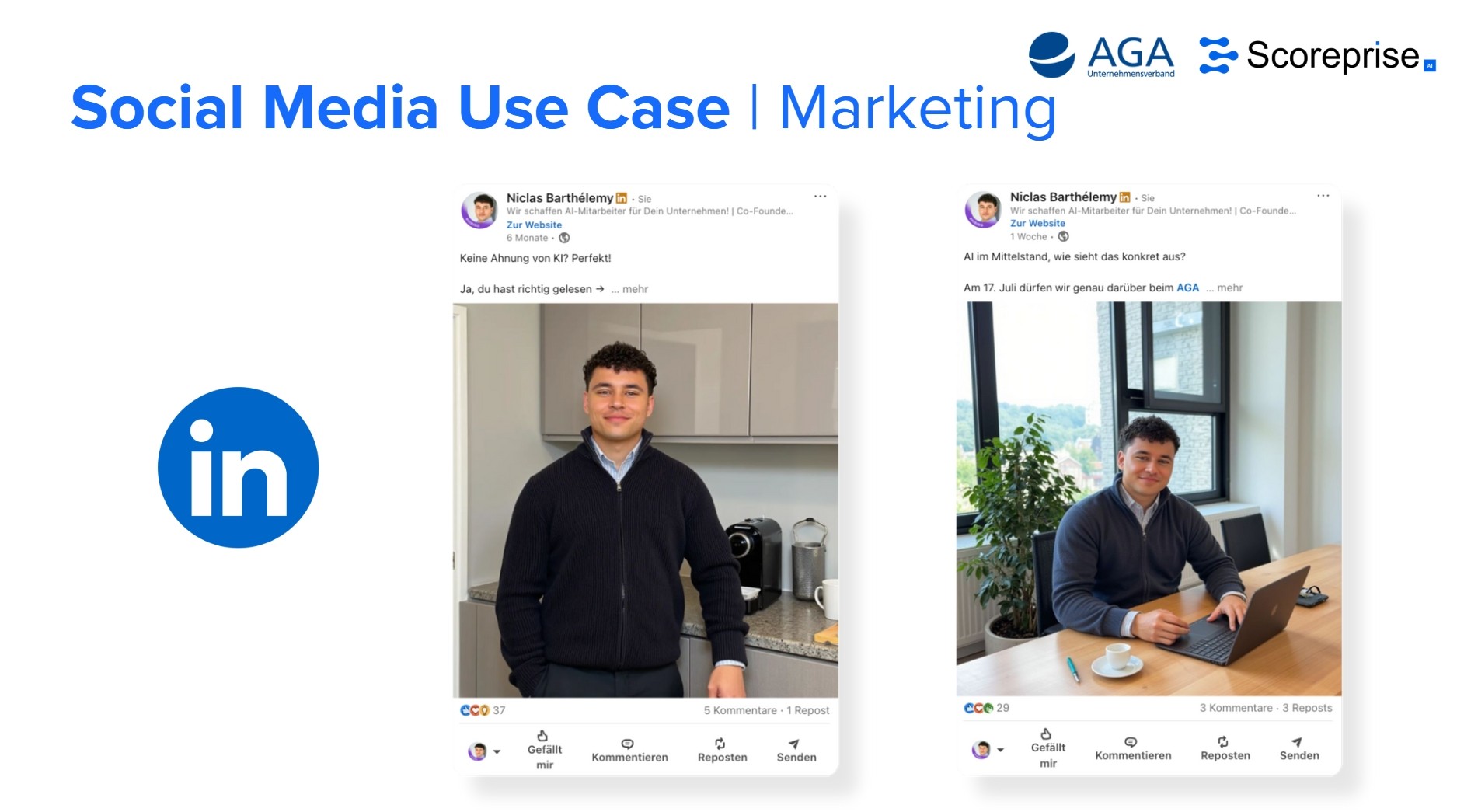
Figure 3: social media with AI
How to reach the hybrid organisation, step by step
1. Process analysis (workshop phase)
Understand your current processes in sales, accounting and marketing.
2. Potential mapping and AI roadmap
Identify areas of application for AI employees and automations. Determine which tools (CRM, ERP, etc.) are to be connected.
3. Implementation and iteration
Start with pilot projects, work closely with the "human in the loop" principle. Run workshops for adjustment.
4. Scaling and multi-agent systems
Extend the solution, bring AI employees into communication with one another, the basis for a genuine hybrid organisation.
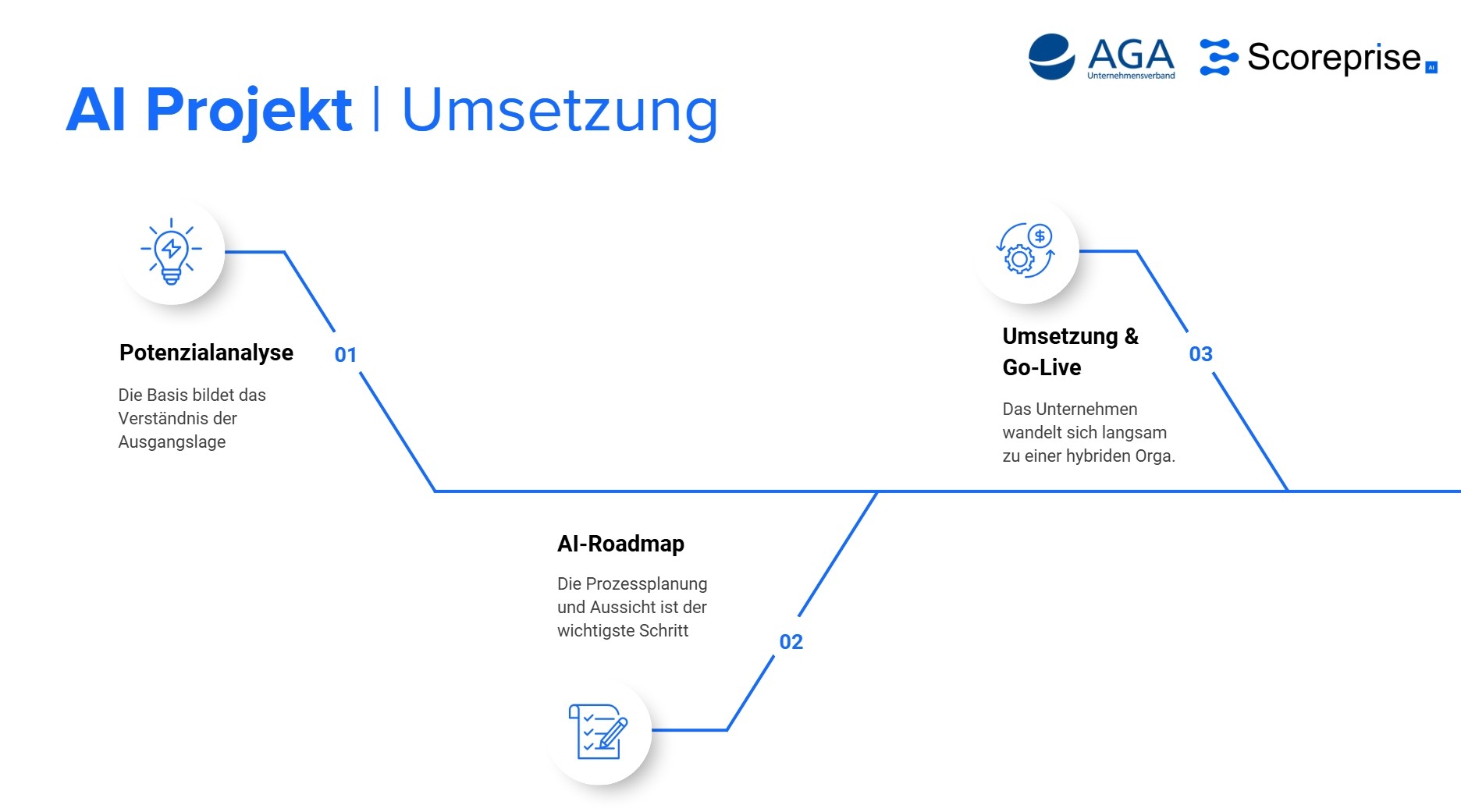
Figure 4: AI roadmap
Conclusion: start now on the AI-first future
The future is AI first: AI employees are not a distant vision, they already create measurable gains in efficiency and quality today. From sales through accounting to social media, with practical use cases and a clear AI roadmap you become a hybrid organisation.
Arrange a free initial call now with scoreprise.AI and find out how we can develop your individual AI strategy together. Start today on the next stage of your company's evolution!
Sources
Related posts
 scoreprise
Blog
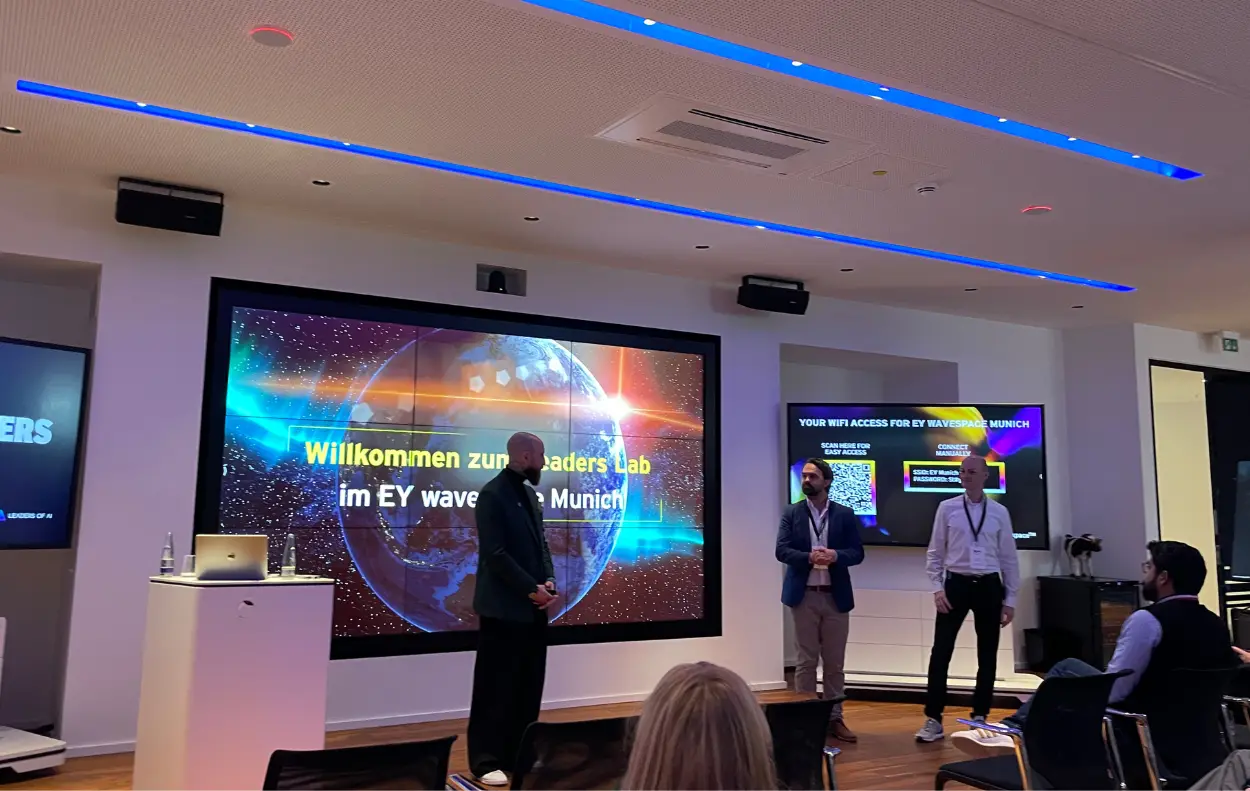
Workshop on multi-agent systems with EY and Leaders of AI
In one day, five multi-agent systems for market monitoring and content were built with Leaders of AI, EY and 60 experts. What made the difference.
Read more
scoreprise
Blog
Workshop on multi-agent systems with EY and Leaders of AI
In one day, five multi-agent systems for market monitoring and content were built with Leaders of AI, EY and 60 experts. What made the difference.
Read more
 scoreprise
Blog
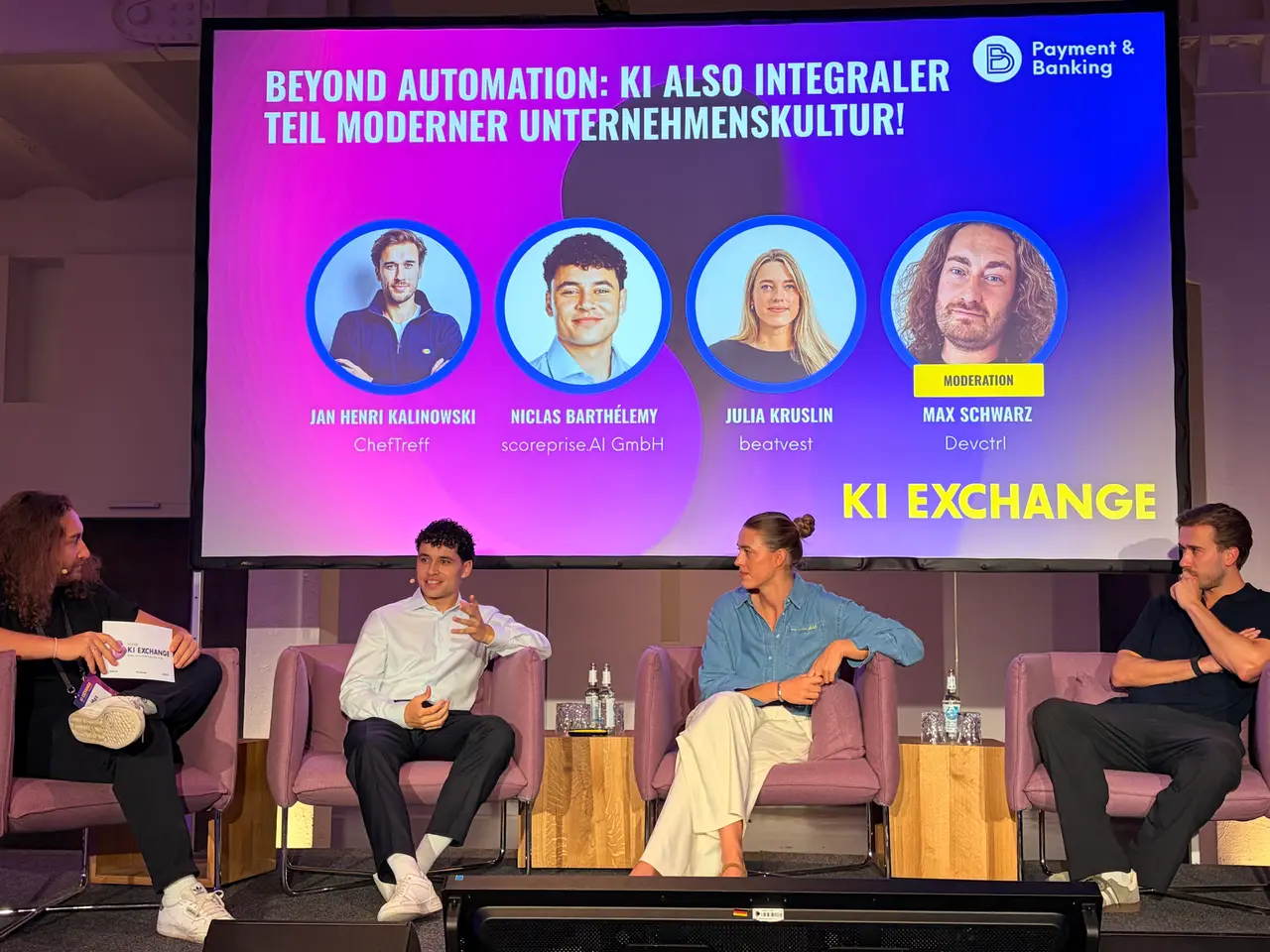
KEX - AI Exchange 2026 in Hamburg
Panel recap: what happens when AI becomes part of how companies decide and work together. On champions, digital personalities and ownership.
Read more
scoreprise
Blog
KEX - AI Exchange 2026 in Hamburg
Panel recap: what happens when AI becomes part of how companies decide and work together. On champions, digital personalities and ownership.
Read more
 scoreprise
Blog
scoreprise.AI Invited to the Federal Expert Commission on AI & Value Creation 4.0: Agentic AI Meets Politics
scoreprise.AI is one of around 40 companies invited to the Federal Expert Commission on AI of the CDU Economic Council, discussing Agentic AI in Berlin.
Read more
scoreprise
Blog
scoreprise.AI Invited to the Federal Expert Commission on AI & Value Creation 4.0: Agentic AI Meets Politics
scoreprise.AI is one of around 40 companies invited to the Federal Expert Commission on AI of the CDU Economic Council, discussing Agentic AI in Berlin.
Read more