
Use Cases
AI agents: the future of automation
The future of automation: autonomous AI agents in practice
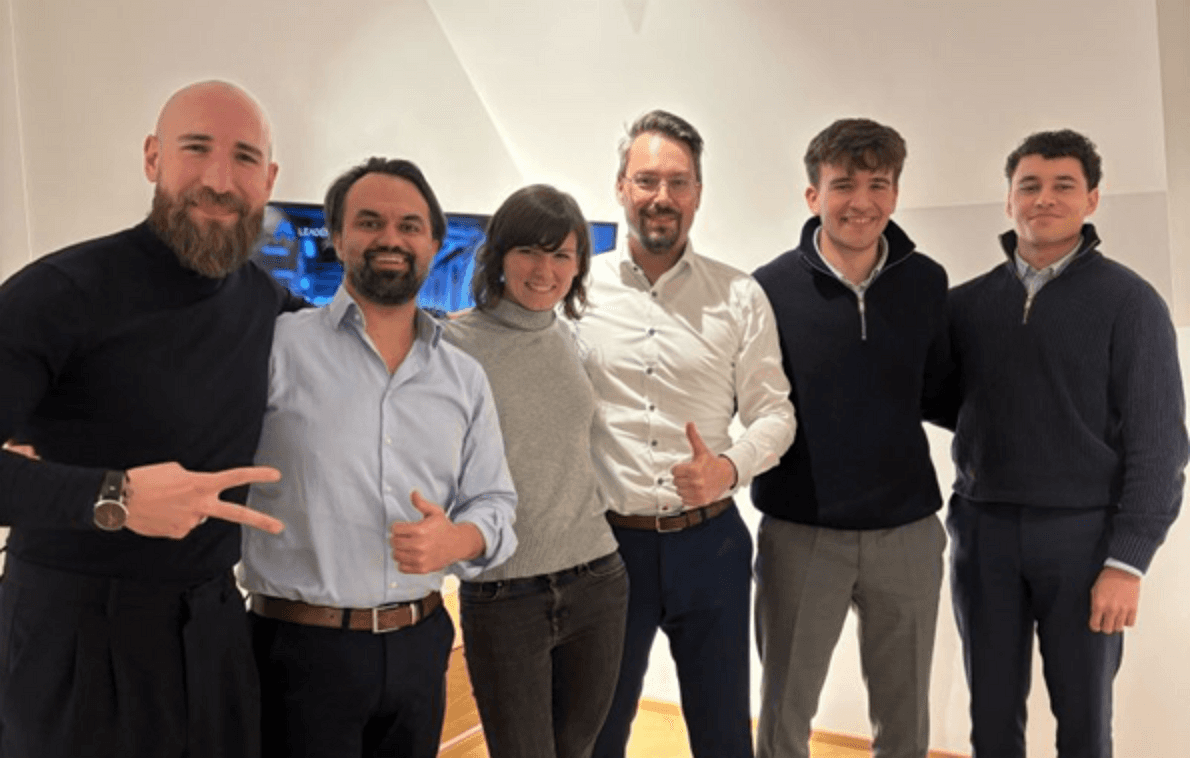
The development of artificial intelligence (AI) has reached a point at which innovations are becoming not only faster but also more visionary. In the recent workshop with Leaders of AI (Dominic von Proeck), EY and thynkAI, we at scoreprise.AI had the opportunity to help shape the future of autonomous AI agents. This workshop centred on the question: how can AI agents run pilot projects in real scenarios and, in future, act fully independently? The answers are not only interesting but also point the way to the next stage in the evolution of automation.
What are autonomous AI agents?
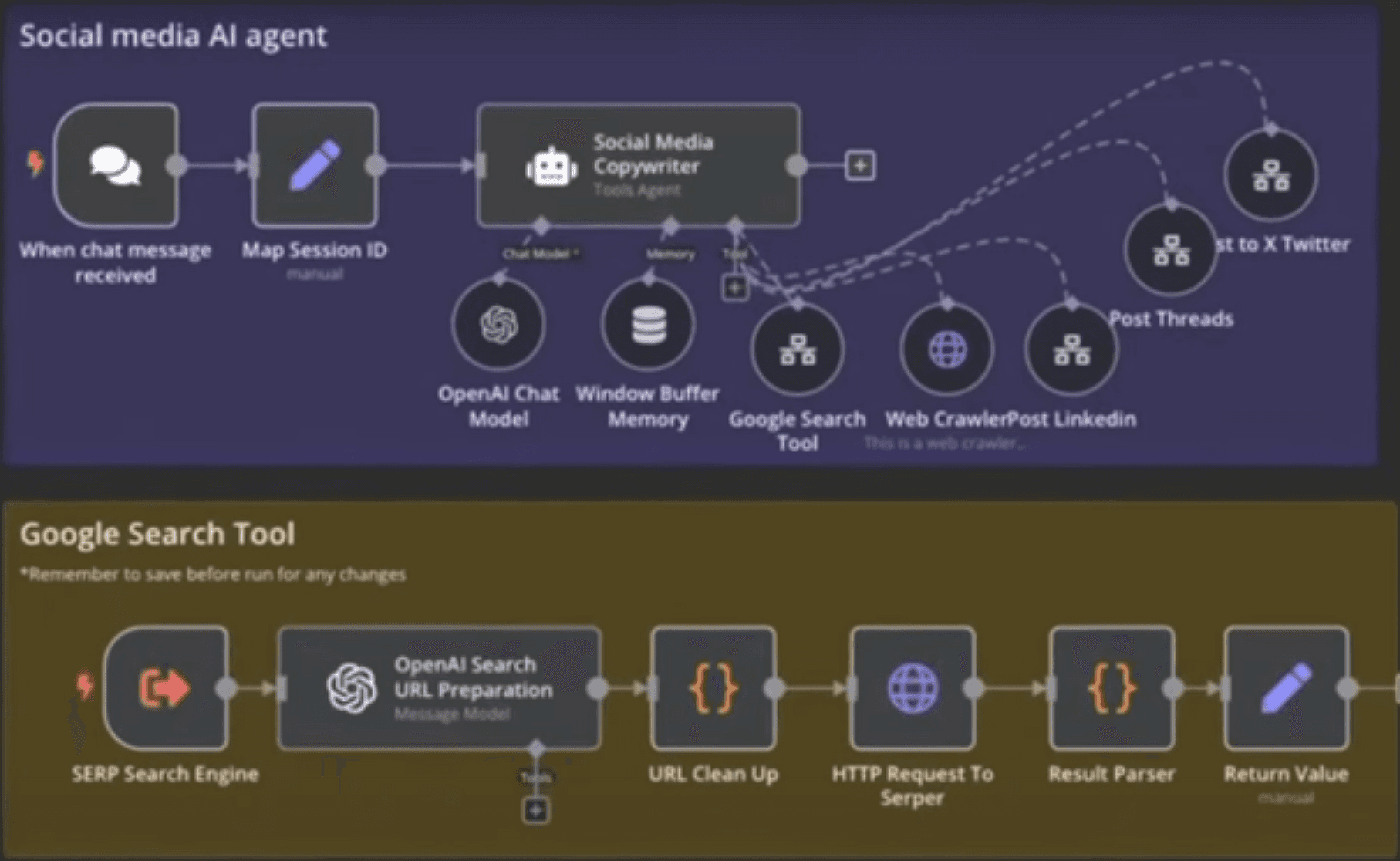
Autonomous AI agents are software solutions that act independently, make decisions and carry out tasks without human intervention. Unlike traditional automation tools, they have the ability to adapt to new situations, to learn and to act strategically. This makes them well suited to a range of applications, including:
Process optimisation in companies: identifying inefficiencies and automatically adjusting processes.
Customer support: proactively answering customer enquiries in real time.
Data analysis and decision-making: automatically evaluating large volumes of data and deriving recommendations for action.
Highlights from the workshop: how a pilot project works
The aim of our workshop was to design a pilot project for AI agents that is practical and delivers measurable added value. The key findings can be summarised in three core phases:
1. Defining the use cases
The first step was to identify specific use cases. These must meet the following criteria:
Relevance: they should solve a real challenge within the company.
Suitability for automation: the process should be structured and data-based.
Potential for scaling: the use case must be transferable to other areas or processes.
An example from the workshop: an AI agent that increases efficiency in the supply chain by anticipating bottlenecks and automatically proposing solutions.
2. Design and training of the AI agent
The next step was to work out the design of the AI agent. This includes programming the decision logic as well as training with real data. Techniques such as reinforcement learning and natural language processing (NLP) were used here.
A key point: AI agents need a clearly defined objective in order to act effectively. Examples of this are cost reduction, time savings or improved customer satisfaction.
3. Implementation and testing
Finally, the AI agent is tested in a controlled environment. Performance, decision quality and usability are evaluated. The test phase serves not only to reveal weaknesses but also to strengthen confidence in the technology.
The role of AI agents in the future
Autonomous AI agents will be far more than simple helpers. They have the potential to act as independent digital colleagues that can think strategically and tactically. This brings a number of benefits:
Cost efficiency: processes are automated without the need for additional resources.
Flexibility: agents adapt dynamically to changes.
Innovation: new business models can emerge through the use of AI agents.
At the same time, it will be important to create ethical and regulatory frameworks that make the use of such technologies responsible.
scoreprise.AI: our vision for AI agents
As experts in AI and automation, we at scoreprise.AI see an immense opportunity in this development. Our experience shows that individually developed AI agents can not only optimise work processes but also open up entirely new potential. We work closely with companies to develop tailored solutions that have a lasting effect.
Conclusion: the path to autonomous automation
The workshop clearly showed that autonomous AI agents are not just a promise for the future but already represent the next stage of automation. Companies that start pilot projects early will not only benefit from efficiency gains but also secure a decisive lead in innovation.
Call to action:
Would you like to find out how AI agents can move your company forward as well? Arrange a free consultation with our experts at scoreprise.AI and let us shape the automation of the future together.
Related posts
 scoreprise
Blog
Social media team: our AI agent system is coming
Four AI employees cover the work of a social media team: data research, corporate identity checks and copy. A look inside the system during its test phase.
Read more
scoreprise
Blog
Social media team: our AI agent system is coming
Four AI employees cover the work of a social media team: data research, corporate identity checks and copy. A look inside the system during its test phase.
Read more
 scoreprise
Blog
AI employees in sales: A practical example from gastromatic
In a webinar, Sales Director Christian Fuchs shows how the AI employees Carl and Sven take over manual sales tasks at gastromatic and free up time for conversations.
Read more
scoreprise
Blog
AI employees in sales: A practical example from gastromatic
In a webinar, Sales Director Christian Fuchs shows how the AI employees Carl and Sven take over manual sales tasks at gastromatic and free up time for conversations.
Read more
 scoreprise
Blog
Partnership with Projective Group: AI employees for the financial industry
scoreprise.AI and Projective Group are cooperating to move AI in financial institutions from the pilot phase into regulated operations. First use case: OKR management.
Read more
scoreprise
Blog
Partnership with Projective Group: AI employees for the financial industry
scoreprise.AI and Projective Group are cooperating to move AI in financial institutions from the pilot phase into regulated operations. First use case: OKR management.
Read more